 0
0
 0
0
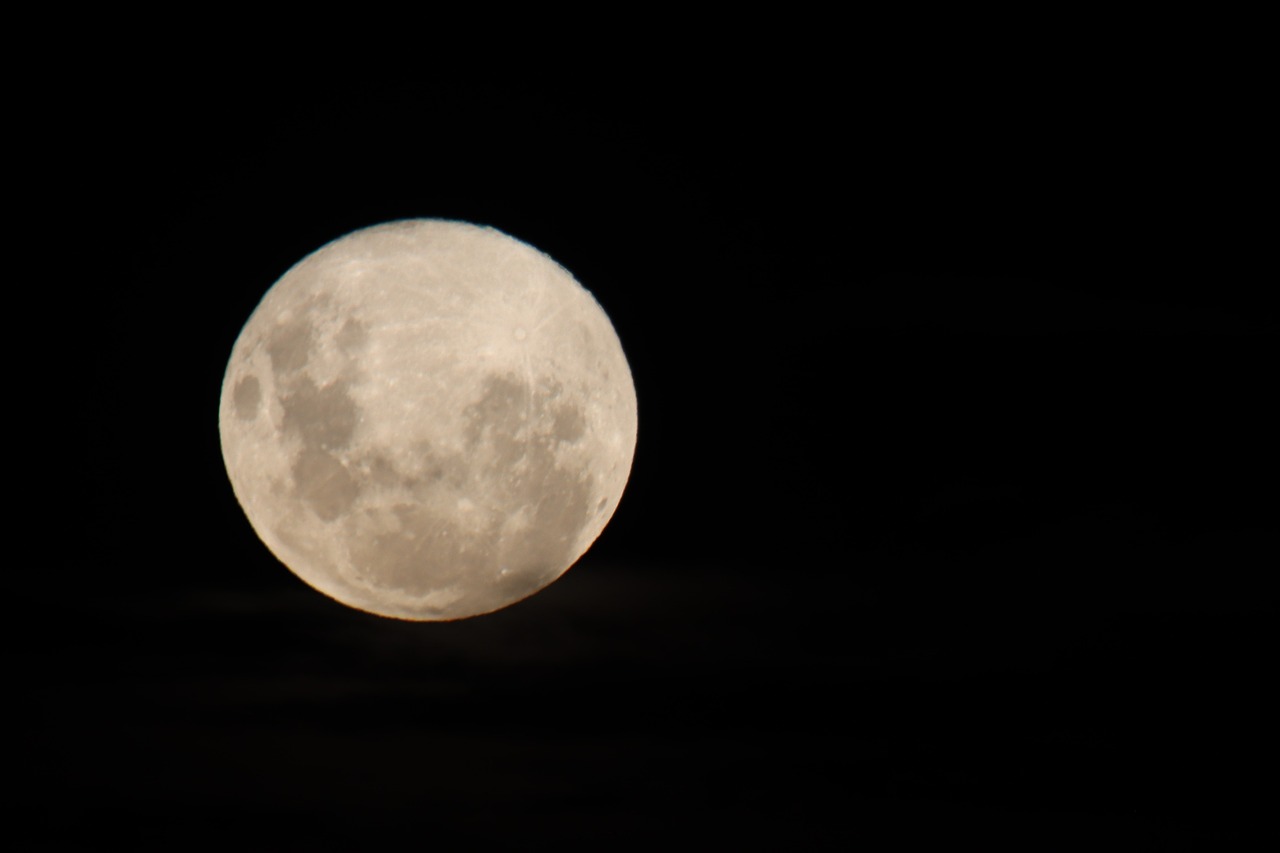
Vienna, February 2 – The Snow Moon, the traditional full moon of February, is lighting up the skies over Austria this week. Although it is not classified as a supermoon, the celestial body appears noticeably larger between February 1 and 3, depending on local weather conditions.
Weather Challenges for Stargazers
On Monday evening, heavy fog made viewing difficult, while forecasts for Tuesday predict overcast skies and possible nighttime snowfall. Still, in regions with clear skies, the distinctive glow of the Snow Moon can be seen with the naked eye.
Best Views in Alpine Regions
Observers in alpine areas such as Tyrol and Carinthia currently have the best chance of witnessing the spectacle. In Vienna, however, thick cloud cover is expected to obscure much of the night sky. The Snow Moon becomes visible as early as 6 p.m., with its peak brightness having occurred on Sunday at 11:09 p.m. Stargazers may still catch glimpses on Monday evening if conditions improve.
Origin of the Name
The term “Snow Moon” originates from Native American traditions, according to NASA. February is typically the snowiest month in the Northern Hemisphere, and the full moon during this period was named accordingly.
A Winter Highlight
Despite the challenges posed by fog and clouds, the Snow Moon remains one of the most enchanting astronomical events of the winter season. For those fortunate enough to enjoy clear skies, it offers a striking reminder of the beauty of the night sky during the coldest time of year.
- source: oe24.at/picture: pixabay.com



This post has already been read 15739 times!